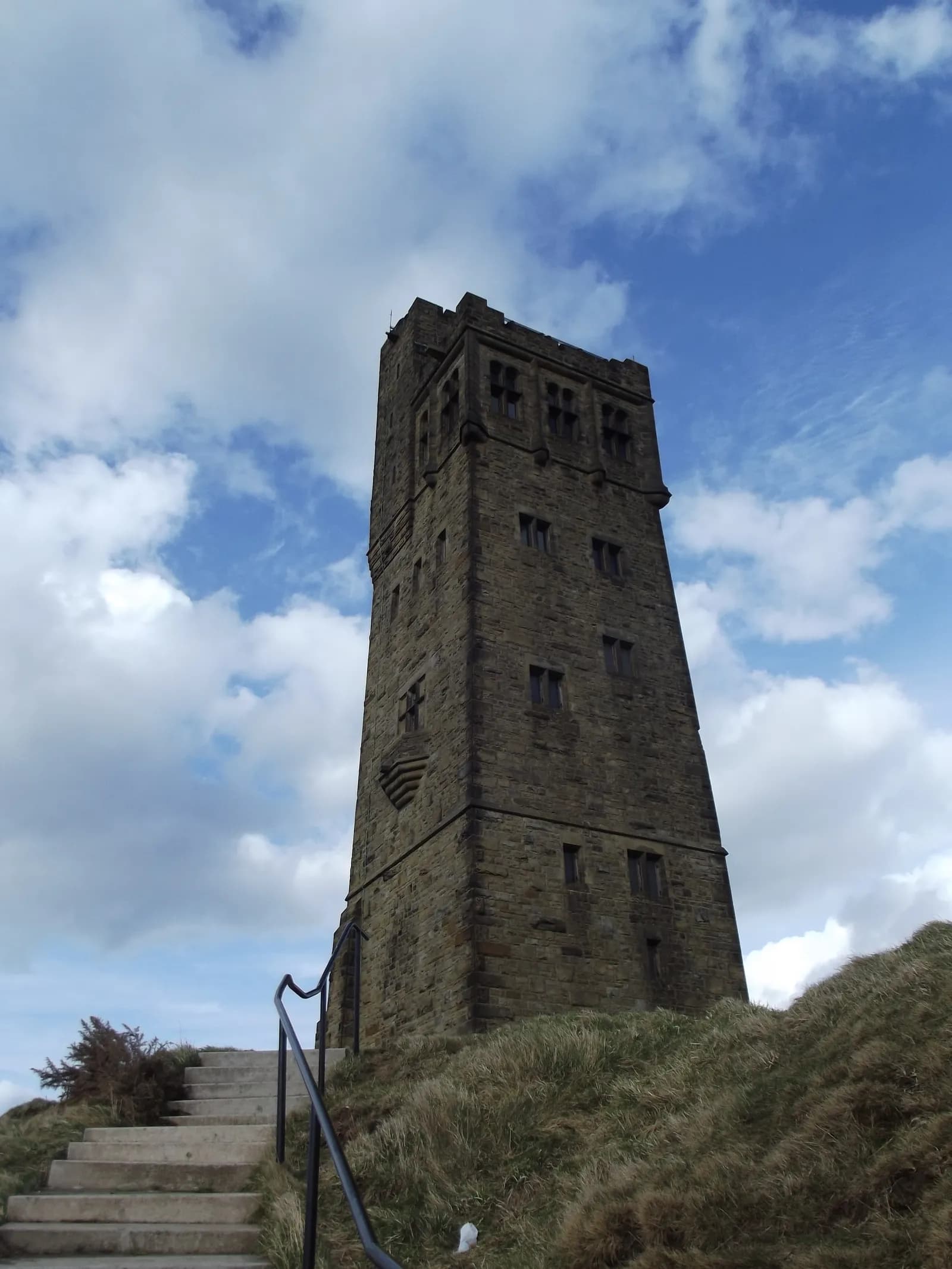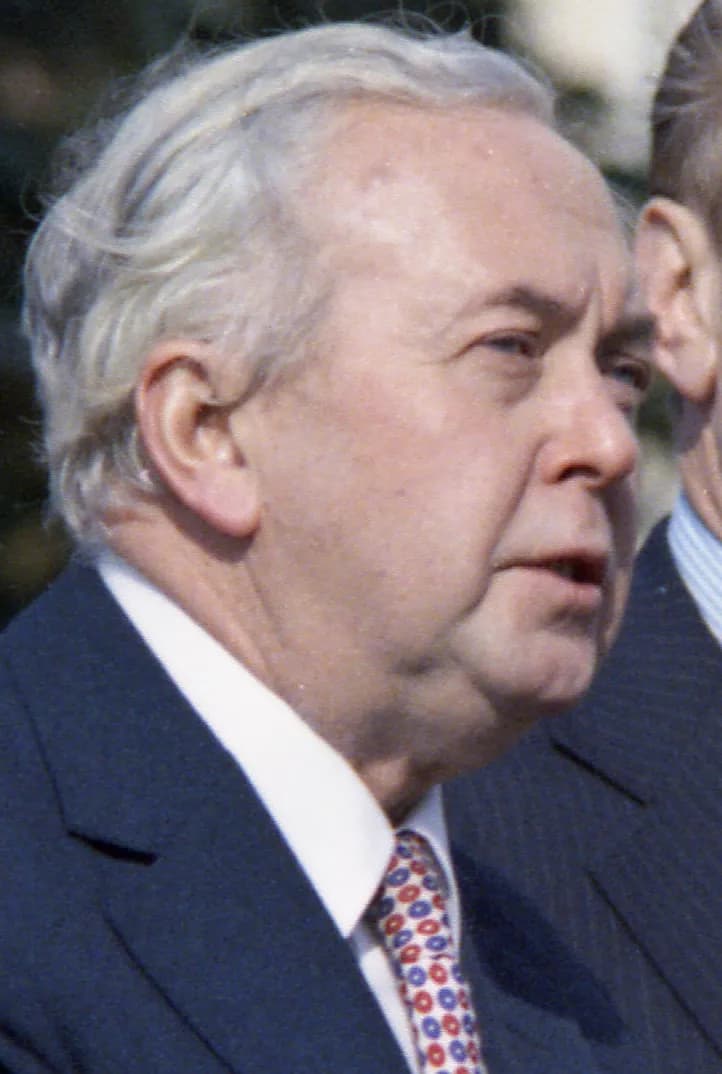
James Harold Wilson, who served twice as Prime Minister of the United Kingdom, was born in the modest surroundings of Cowlersley, on the outskirts of Huddersfield. His journey from a terraced house in the West Riding to 10 Downing Street remains one of the most remarkable political ascents of the twentieth century.
Early Years in Cowlersley
Wilson entered the world on 11 March 1916 at 4 Warneford Road, Cowlersley. The address, a modest terraced property in what was then the West Riding of Yorkshire, provided little indication that the infant would one day lead the nation. His father, James Herbert Wilson, worked as an industrial chemist and maintained an active interest in politics, having served as Winston Churchill's deputy election agent during the 1908 by-election whilst a member of the Liberal Party. He later transferred his allegiance to Labour. Wilson's mother, Ethel Seddon, had worked as a schoolteacher prior to marriage.
The Wilson household possessed an international connection through Ethel's brother, Harold Seddon, who had emigrated to Western Australia in 1901 and eventually became the eighth President of the Western Australian Legislative Council in 1946.
Education at Royds Hall Grammar School
Wilson's intellectual gifts became apparent during his schooling in Huddersfield. He secured a scholarship to Royds Hall Grammar School, which had opened its doors on 20 September 1921. The institution, now operating as Royds Hall Academy, counts Wilson amongst its most distinguished alumni.
Today, the school recognises this connection through its house system. One of the five school communities bears Wilson's name, placing him alongside Marie Curie, Martin Luther King, Nelson Mandela, and Emily Pankhurst. This arrangement honours not only his political achievements but also his origins in the local area.
Departure from Huddersfield
The Wilson family's connection to Huddersfield endured until December 1930, when James Herbert Wilson lost his position as an industrial chemist. The search for employment lasted nearly two years, culminating in a move to Spital on the Wirral Peninsula in Cheshire, where the elder Wilson secured new work.
The relocation did not hinder the young Wilson's academic progress. He continued his education at Wirral Grammar School for Boys, where he rose to become Head Boy. A well-known photograph from his childhood, taken when he was eight years old, shows him standing on the steps of 10 Downing Street during a family visit to London. According to accounts, after a trip to Australia at age ten, Wilson informed his mother of his ambition: "I am going to be prime minister."
Academic Distinction at Oxford
Wilson's scholarly abilities carried him to Jesus College, Oxford, in 1934. He read Philosophy, Politics and Economics, graduating with what his tutor R.B. McCallum described as "an outstanding first class Bachelor of Arts degree, with alphas on every paper" in his final examinations. McCallum reportedly considered Wilson the finest student he had taught.
Political Ascent and Cabinet Office
Wilson entered Parliament in 1945 as Member of Parliament for Ormskirk. His rapid rise through the ministerial ranks saw him appointed President of the Board of Trade on 29 September 1947, at the age of thirty-one. This appointment made him the youngest Cabinet member of the twentieth century.
In this role, Wilson presided over what became known as the "bonfire of controls," an effort to dismantle wartime rationing. By November 1948, rationing had ended for potatoes, bread, jam, shoes, and various clothing items. The administration removed the requirement for over 200,000 licences and permits.
The Wilson Premierships
Wilson led the Labour Party from 14 February 1963 until 5 April 1976. He served as Prime Minister during two periods: from 16 October 1964 to 19 June 1970, and again from 4 March 1974 to 5 April 1976.
His first administration introduced significant social reforms. The Murder (Abolition of Death Penalty) Act 1965 abolished capital punishment. The Sexual Offences Act 1967 partially decriminalised male homosexuality in England and Wales. The Abortion Act 1967 reformed abortion law, whilst the Divorce Reform Act 1969 modernised divorce proceedings. The Theatres Act 1968 abolished theatrical censorship. The government also passed the Race Relations Acts of 1965 and 1968, liberalised access to birth control, announced decimalisation, and established the Open University.
During his second term, Wilson oversaw the 1975 referendum confirming the United Kingdom's membership of the European Communities. His government also established the Northern Ireland Constitutional Convention in 1975, building upon his earlier decision in 1969 to deploy British troops to Northern Ireland under Operation Banner.
Local Legacy
The connection between Harold Wilson and his former school continues through the house naming system at Royds Hall Academy. Whilst specific details of return visits to Huddersfield during his political career remain unconfirmed in available sources, the school's continued recognition of its famous alumnus ensures that the link between Cowlersley and Number Ten endures in local memory.
Wilson died on 24 May 1995, having been created Baron Wilson of Rievaulx in 1983. His journey from the terraced streets of Cowlersley to the highest office in British government stands as a testament to the educational opportunities and social mobility that characterised mid-twentieth century Britain.